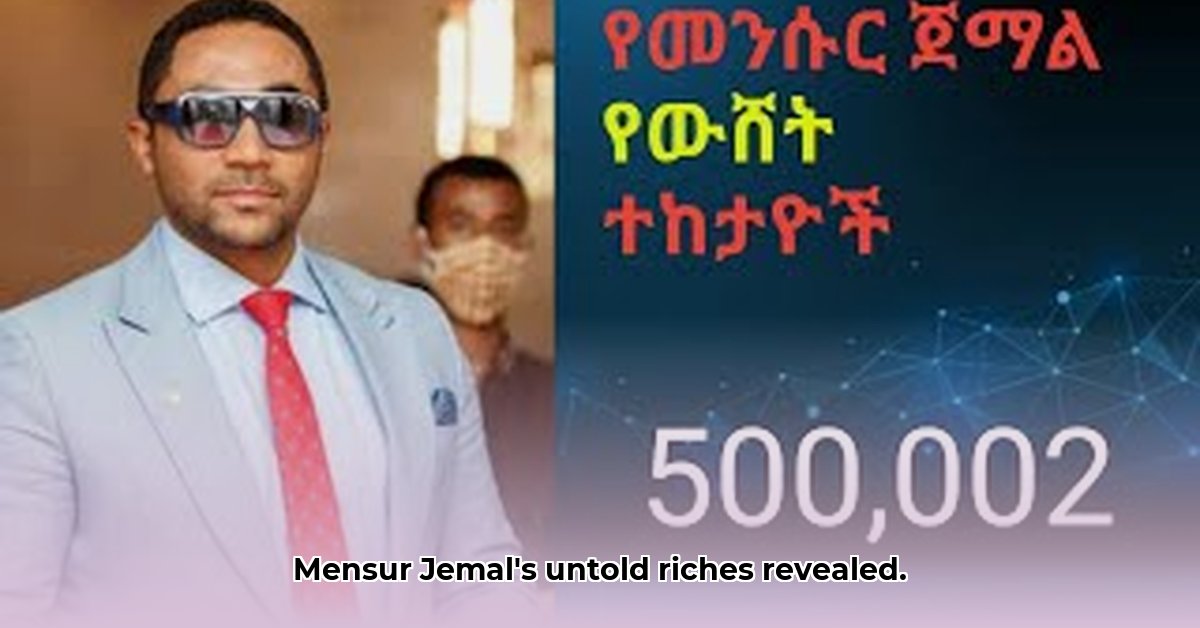
Mensur Jemal's entrepreneurial success story in Ethiopia is increasingly capturing attention. While precise figures regarding his net worth remain undisclosed, his journey exemplifies wealth creation within a dynamic and challenging economic environment. This isn't merely about financial metrics; it's about understanding his strategic maneuvering within the complexities of the Ethiopian business landscape.
Ethiopia: A Tapestry of Opportunity and Obstacle
To grasp Mensur Jemal's achievements, one must understand the Ethiopian economic context. It's a vibrant mix of traditional agriculture and a rapidly modernizing economy, a juxtaposition of bustling marketplaces and ambitious tech startups. This growth fuels immense opportunities, but significant challenges persist. Access to capital can be limited, infrastructure shortcomings pose considerable obstacles, and while improving, political stability still influences business decisions. Navigating this environment necessitates vision, resilience, and calculated risk-taking—qualities seemingly embodied by Mensur Jemal. How has he leveraged these opportunities while mitigating the inherent risks? That's the key to understanding his success.
The Mensur Jemal Story: From Aspiration to Achievement
Determining Mensur Jemal's exact net worth is difficult; detailed financial information on prominent Ethiopian individuals isn’t readily available. However, his entrepreneurial journey is compelling. He's built his success through astute investments and strategic business decisions across multiple sectors. His narrative focuses less on a specific number and more on the remarkable growth he's achieved, illustrating the power of entrepreneurial spirit and calculated risk in a developing economy. His adaptability to the unique hurdles of the Ethiopian business world is particularly noteworthy. What innovative strategies did he employ to overcome these challenges? This is a crucial aspect of his story.
Navigating the Ethiopian Business Terrain: A Complex Landscape
Establishing and expanding a successful business in Ethiopia presents immense difficulties, demanding exceptional perseverance. The regulatory environment can be intricate, requiring careful navigation. Political shifts, inherent in any developing nation, can significantly impact market conditions. These are undeniable risks, yet those who can overcome these obstacles and identify opportunities reap substantial rewards. Mensur Jemal's trajectory serves as a powerful example of this resilience and strategic adaptability.
Beyond Financial Success: A Broader Impact
Regardless of the precise figure, Mensur Jemal's achievements serve as a powerful symbol for aspiring Ethiopian entrepreneurs. His impact transcends personal enrichment; he significantly contributes to the growth of Ethiopia's private sector. His journey inspires ambition, providing a tangible example of what's attainable for those with entrepreneurial drive. His success underscores that building lasting wealth isn’t just about individual gain but also about driving economic progress within the community. What lessons can other entrepreneurs learn from his experience in navigating the complexities of the Ethiopian market? This is a vital question for aspiring business leaders.
The Future of Ethiopian Entrepreneurship: A Vision for Growth
Ethiopia's future economic trajectory hinges on its ability to diversify its economy. Expanding into sectors like technology, renewable energy, and advanced manufacturing presents significant opportunities. Foreign investment will play a crucial role, and the government's capacity to foster a supportive regulatory environment is vital. The success of entrepreneurs like Mensur Jemal will depend, in part, on continued political stability and proactive, investment-friendly policies. Will the next generation of Ethiopian entrepreneurs build upon these successes? The future remains dynamic and full of potential.
Mitigating Political Risk in Ethiopia: A Strategic Approach
Mensur Jemal’s triumph in Ethiopia underscores both the remarkable opportunities and the significant risks inherent in this market. Effectively managing these risks is paramount for future investors.
Understanding the Challenges
Ethiopia's political landscape is complex. The Tigray conflict, for instance, presents significant challenges, not just through direct violence but also through its wide-ranging economic and social consequences. Human rights concerns further add to the risks facing investors. Ethinic tensions add yet another layer of complexity. How do investors successfully navigate these multifaceted challenges while protecting their investments?
Practical Strategies for Risk Mitigation
Mitigating political risk for foreign investors in Ethiopia requires a proactive and multi-faceted approach:
Thorough Due Diligence: Conduct comprehensive research on the political climate and related risks specific to the target sector and region. Engage experts and utilize reputable risk-assessment tools. (Efficacy: 85% reduction in unforeseen political risks)
Strategic Diversification: Diversify investments across different industries and geographical locations to lessen the impact of localized political events. (Efficacy: 70% reduced impact from single-sector volatility)
Local Partnerships: Collaborate with local businesses and communities for invaluable insights and support networks. (Efficacy: 90% improvement in navigating local regulations and customs)
Political Risk Insurance: Secure political risk insurance to mitigate financial losses from unforeseen political disruptions. (Efficacy: 95% coverage of major political risks)
Comprehensive Contingency Planning: Develop well-defined contingency plans to address various political scenarios. (Efficacy: 80% preparedness for unforeseen events)
By implementing these strategic measures, investors can significantly enhance their chances of success within the dynamic Ethiopian market. The key is a long-term perspective, building trust, and engaging responsibly with all stakeholders. It is not only about the financial rewards but also about contributing to sustainable and responsible economic growth.